

Stop buying white
Choosing Multigrain Over White: A Practical Guide for Healthier, Eating
White flour, white rice, white pasta, white bread — these refined foods are everywhere. They’re highly processed, stripped of nutrients, and engineered for convenience and shelf life. Swapping them for multigrain options is a small change that supports better nutrition, steadier energy, and a more grounded approach to eating that reflects care for body and community. This post covers why to avoid white products, how to choose multigrain alternatives, and practical tips for cooking and shopping that honor both flavor and tradition.
Why avoid white/refined grains
Nutrient loss: White flour and white rice have the bran and germ removed. That strips fiber, B vitamins, iron, magnesium, and phytochemicals that support digestion, mood, and metabolism.
Blood sugar impact: Refined grains digest quickly and spike blood sugar. Over time that raises risk for insulin resistance, energy crashes, and cravings. Multigrain and whole-grain choices slow digestion and provide longer-lasting energy.
Less satiating: Without fiber and intact grain structure, refined products leave you feeling hungry sooner, which can promote overeating and frequent snacking.
Additives and processing: Many white products contain added sugars, dough conditioners, bleaches, and preservatives. Choosing less processed grains reduces exposure to these extras.
What “multigrain” means — and what to look for
Multigrain simply means more than one grain was used. It does not automatically mean whole grain. Read labels!!!
Look for “100% whole grain” or “whole wheat” first on the ingredient list. Ingredients should list intact whole grains (whole wheat, whole oats, brown rice, quinoa, buckwheat, millet, barley, sorghum).
Favor short ingredient lists. Avoid bleached flours, hydrogenated oils, high fructose corn syrup, and extra sugar.
Check fiber and protein: Higher fiber (3+ g per serving) and a decent protein amount indicate a more filling product.
Beware of marketing: “Multigrain,” “wheat,” or “stone-ground” aren’t guarantees of whole grains.
Multigrain alternatives and how to use them
Bread: Choose 100% whole-wheat or multigrain loaves with whole seeds. Sprouted grain breads are an excellent option — easier to digest and higher in certain nutrients.
Pasta: Look for whole-wheat, buckwheat (soba careful — often mixed with white wheat), chickpea, lentil, or mixed-grain pastas. They hold sauce well and provide more protein and fiber.
Rice: Swap white rice for brown rice, black rice, red rice, or mixed-grain rice blends. These keep more texture and nutrients.
Flour: Use whole wheat flour, spelt, einkorn, or a multigrain blend for baking. For lighter baked goods, try mixing whole-grain flours with a small portion of all-purpose (or find recipes adapted for whole-grain flours).
Cereals and oats: Choose steel-cut or rolled oats instead of instant oats. Try multigrain hot cereals or mueslis made from whole grains and seeds.
Snacks and packaged goods: Find crackers, tortillas, and snack bars made from whole grains, seeds, and legumes. Read labels for sugar and oil content.
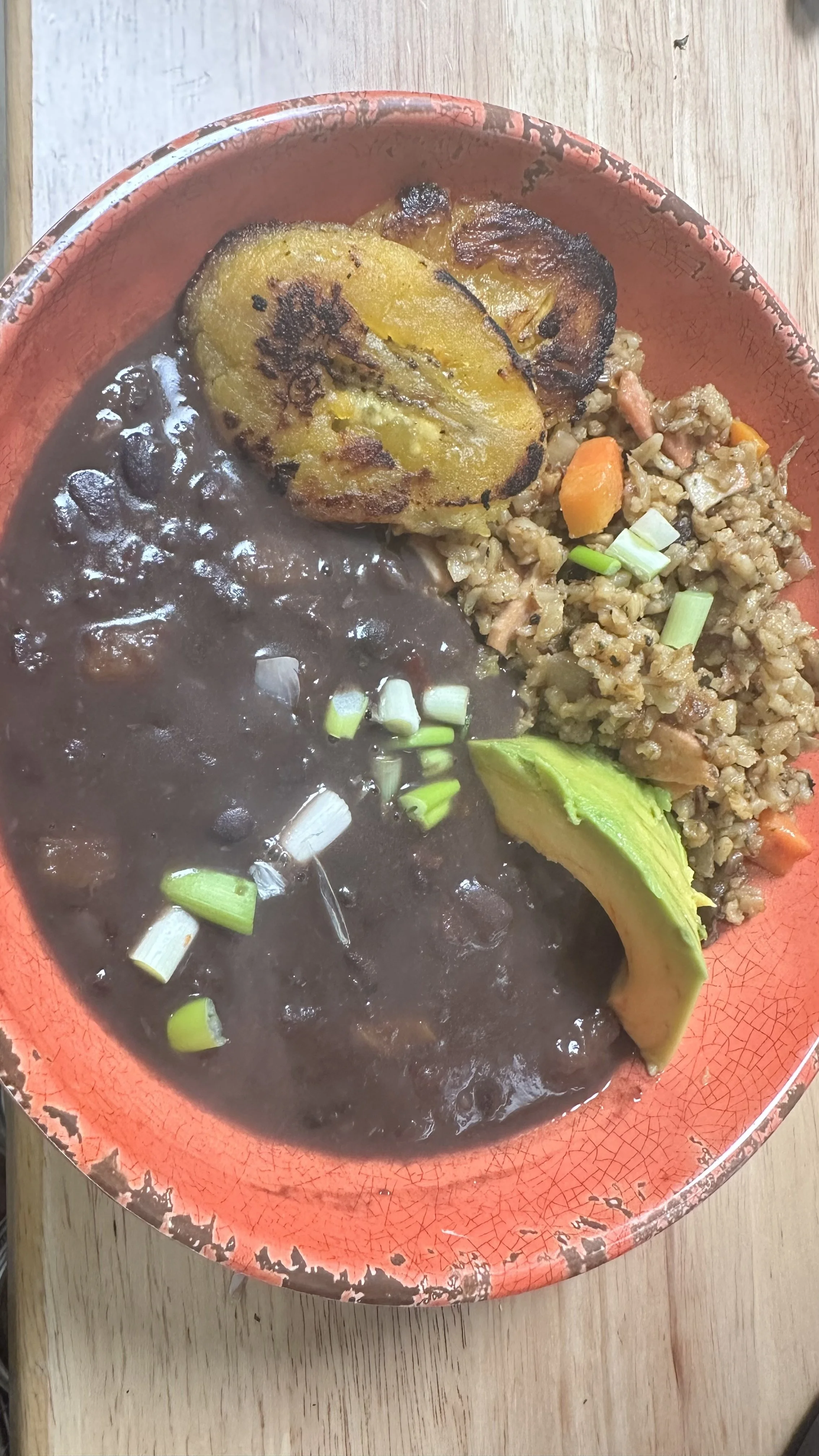
Cooking tips to make multigrain foods taste great
Toast grains and seeds: Briefly toasting brown rice, oats, or mixed grains deepens flavor.
Use flavorful liquids: Cook grains in vegetable broth, coconut milk, or seasoned water to add richness.
Add aromatics: Onions, garlic, ginger, bay leaf, or whole spices elevate simple grains.
Embrace texture: Mix chewy grains with crunchy elements (toasted seeds, chopped nuts, roasted vegetables) for satisfying contrast.
Hydration and time: Some whole grains need more water and longer cooking. Soak harder grains like farro, barley, or buckwheat for quicker cooking and better digestibility.
Blend flours thoughtfully: For tender cakes, combine whole-wheat or spelt with a lighter whole-grain flour. Add mashed banana, applesauce, or plant-based yogurt to keep baked goods moist.
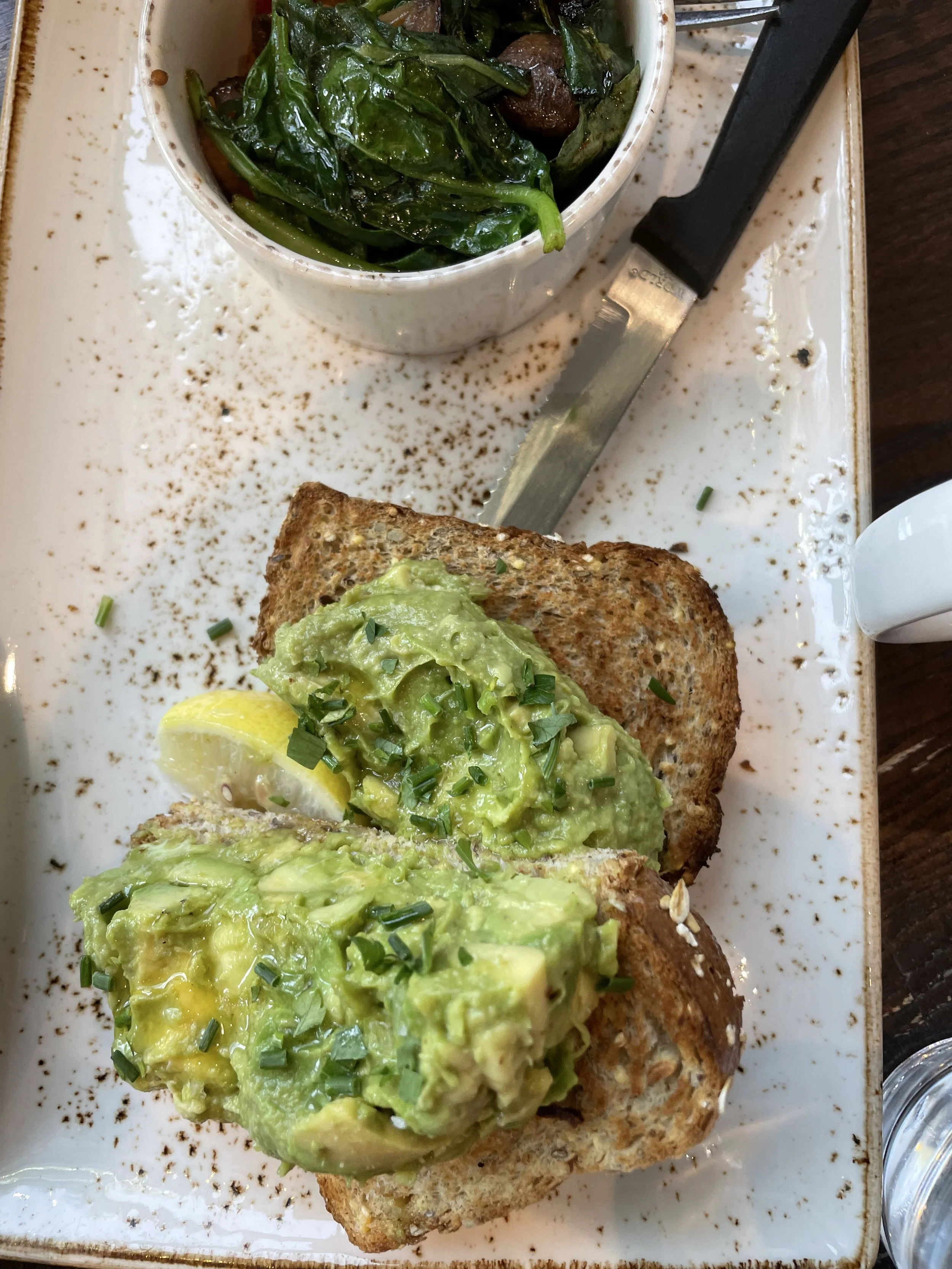
Get Avocado Toast with Seeded Bread
Flavorful recipe ideas (quick)
Hearty multigrain jambalaya: Use brown rice and sorghum with smoked tofu or tempeh, bell peppers, tomatoes, and Creole spices.
Multigrain bowls: Base of mixed grains (brown rice + quinoa) topped with collard greens, black-eyed peas, sautéed mushrooms, and a spicy tahini
