

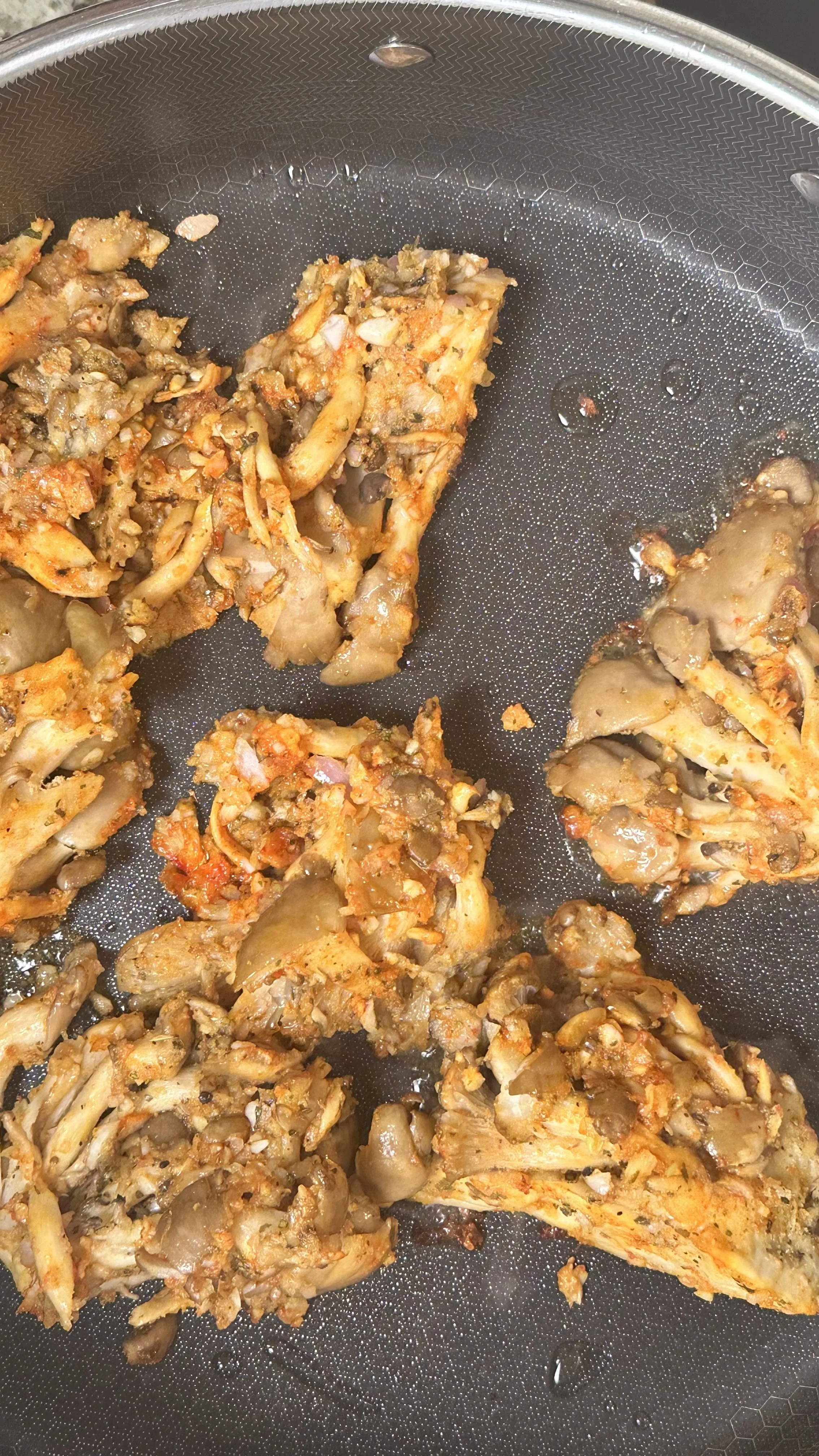
King Oyster Mushrooms vs. Oyster Mushrooms — How to Use Them in Vegan Soul Food
Many people confuse King oyster mushroom with oyster mushrooms. Here are some delicious recipes using both.
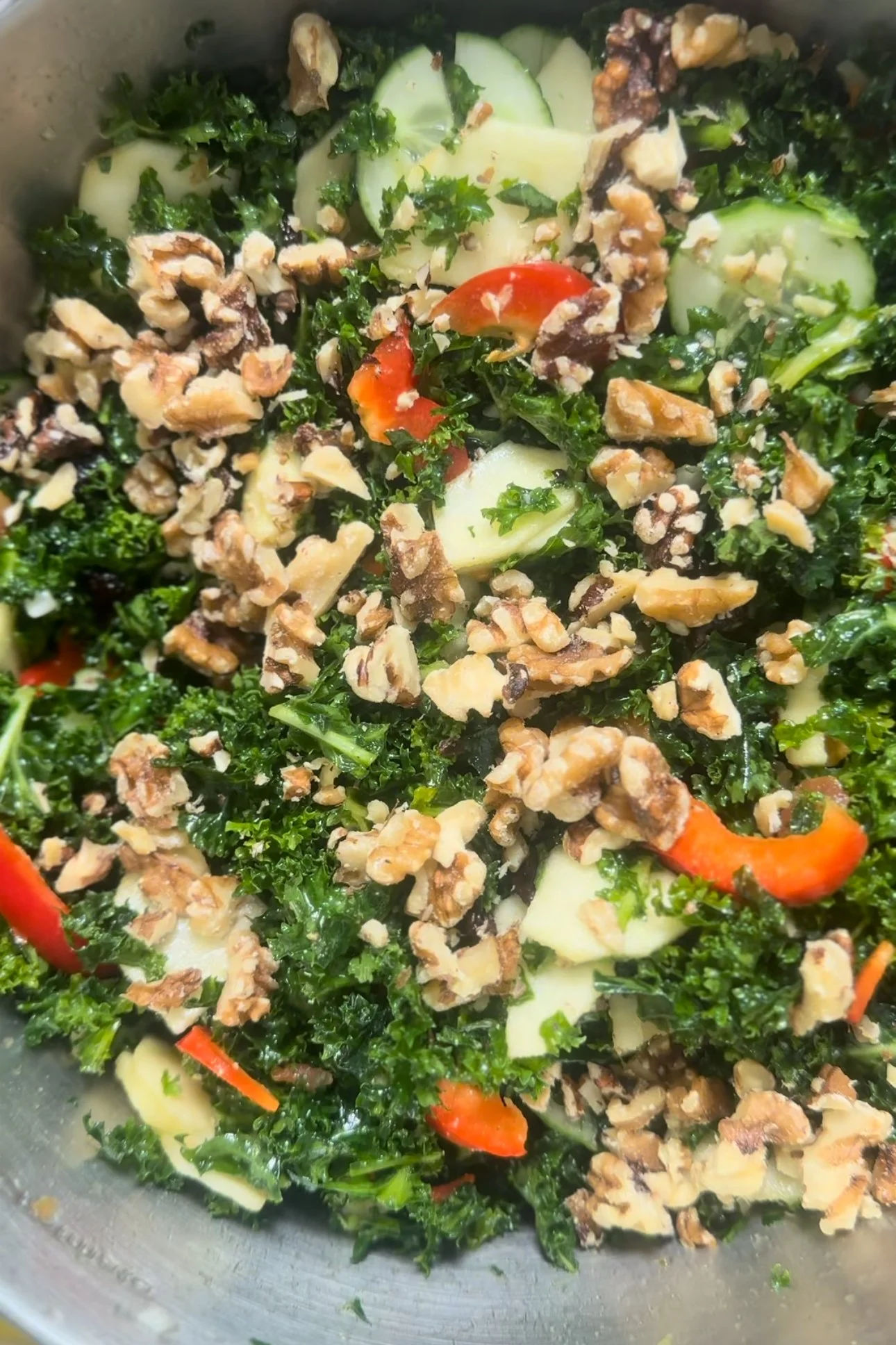
Kale Salad is Good For You
Kale is a nutrient powerhouse: rich in vitamins A, C, and K, packed with calcium, iron, fiber, and antioxidants that support bone health, immune function, digestion, and cellular repair. Including kale in your meals helps boost nutrient density without adding many calories. Here are two delicious, vegan recipes that make it easy to enjoy kale’s benefits.

Berries: Small Fruits, Big Health Benefits
Berries are nutritional powerhouses that boost health in multiple ways. Packed with antioxidants like anthocyanins, they help reduce inflammation and protect cells from oxidative stress. Their high fiber content supports digestion, stabilizes blood sugar, and promotes feelings of fullness, which aids weight management. Berries also supply vitamin C and other micronutrients that support immune function and skin health. Regularly adding a variety of berries—strawberries, blueberries, raspberries, blackberries—to meals and snacks offers a flavorful, low-calorie way to enhance heart health, cognitive function, and overall well-being.

Game Day Dips Can be Packed with Plants
Game Day Dips are a great opportunity to add veggies into your meal.

Spice beyond Peppers
Crisp, golden vegan fried chicken meets a riot of heat and soul in this viral spicy bowl. Juicy plant-based cutlets are piled over a bed of fluffy jasmine rice, roasted sweet potatoes, and tangy pickled red cabbage, then drenched in a creamy, fiery sauce made from smoky chipotle, fresh lime, and a touch of maple to balance the burn. Bright scallions, crunchy pepitas, and a cooling cilantro-lime yogurt finish the bowl—each bite a contrast of textures and flavors that keeps you coming back for more. Perfect for weeknight dinners, potlucks, or whenever you need bold comfort with a spicy kick.
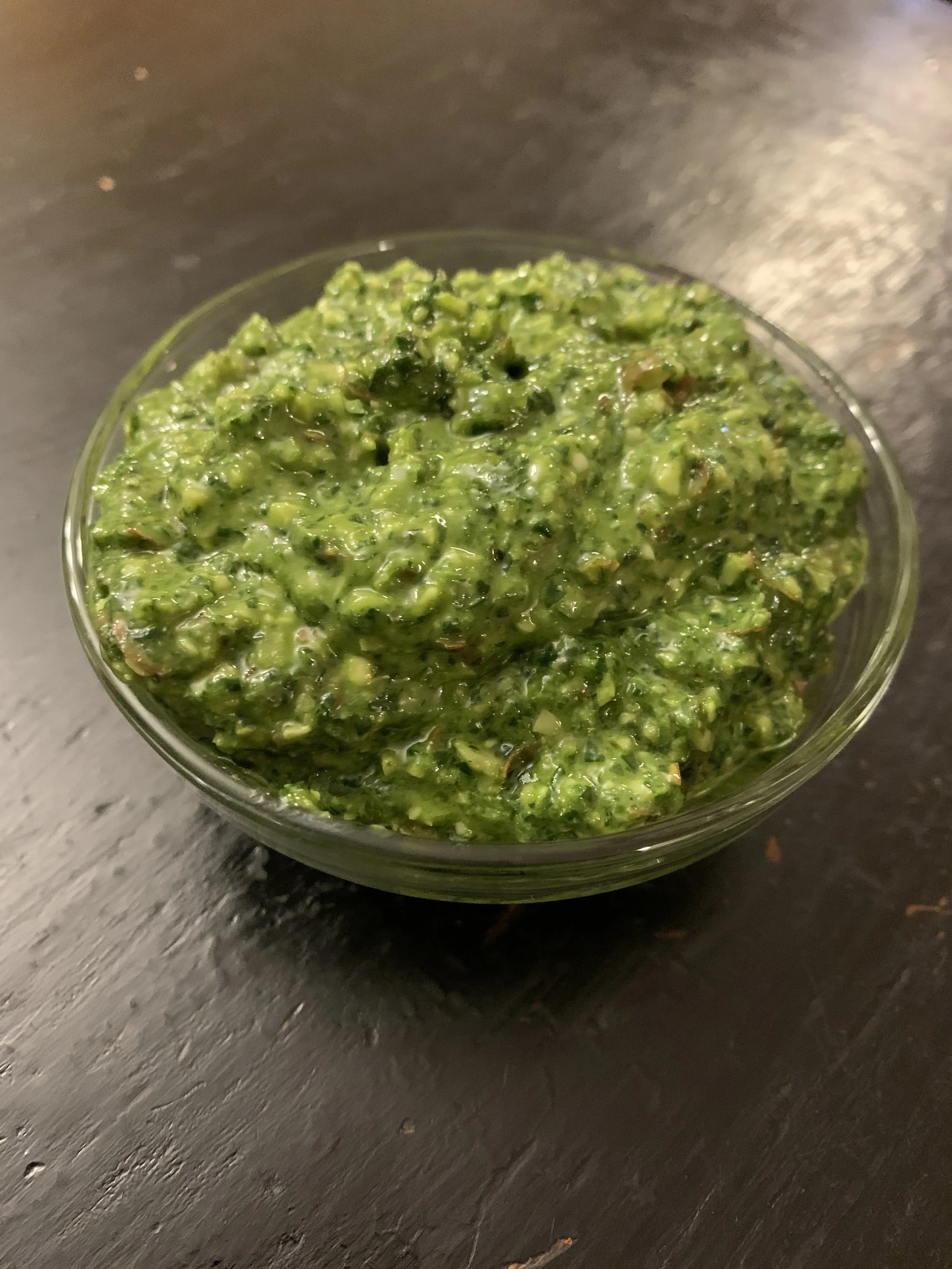
Sauce it Up with Plants
Pesto is a simple, flavorful shortcut to pack a variety of plants into every bite. Start with a base of fresh basil and spinach, then add handfuls of parsley, cilantro, or arugula for brightness. Stir in toasted walnuts or sunflower seeds, a spoonful of nutritional yeast, minced garlic, and a squeeze of lemon for umami and tang. Toss with whole-grain pasta, steamed broccoli, roasted carrots, cherry tomatoes, and wilted kale—each serving can easily include 8–12 different plant foods. Eat pesto with a slice of sprouted-grain bread and a side salad of mixed greens, cucumbers, bell peppers, and radishes to push toward 20–25 plants. Finish the day with snacks like fresh fruit, a handful of mixed nuts, and a green smoothie with spirulina, chia, and banana; repeat variations across meals and you’ll reach 30 plants a day without complicated prep—just riff on pesto and pairings.
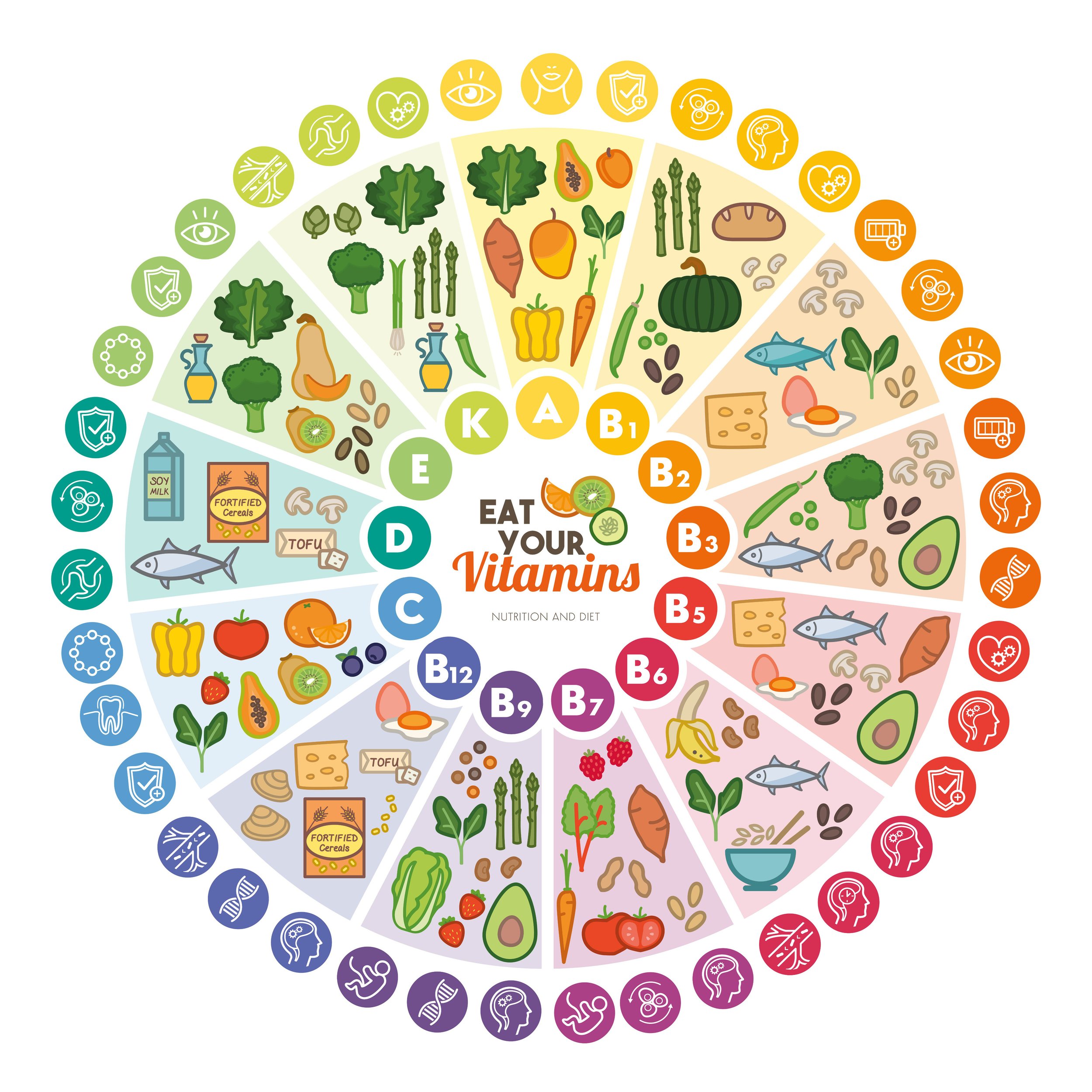
Eating the Rainbow: Why Colorful Plates Matter for Your Health
Eat the rainbow to hit 30 plants weekly: include multiple colors each meal—greens, purple berries, orange sweet potato, red tomato, yellow pepper, white mushrooms—plus herbs, nuts, seeds, and legumes. Variety boosts nutrients, fiber, and phytochemicals. Try color swaps (berries in oatmeal, kale in smoothies, roasted chickpeas, carrot sticks) and track servings—3–4 plant foods per meal plus two plant snacks to reach 30.

Having Coffee is a Great Reason Get More Plants
Add plants and spices to your coffee.

Let’s Make Veggie Packed Chowders
Chowders are easy, flavorful, and plant-packed—great for variety. Add potatoes, corn, onions, garlic, leeks, celery, carrots, kale/collards/spinach/chard, sweet potatoes, peppers, tomatoes, fennel, mushrooms, peas, lima/white beans/chickpeas, squash/zucchini, cornmeal, pumpkin seeds, and herbs (parsley, cilantro, thyme, rosemary, bay, green onions). Use vegetable broth plus unsweetened plant milk or blended beans for creaminess. Season with smoked paprika and black pepper; finish with lemon or apple-cider vinegar.
Why it works:
Mixed textures: roots, greens, legumes, kernels
One-pot ease and great leftovers
Swappable by season
Tips:
Roast or sauté firm veg first
Save scraps for stock
Stir in greens at the end
Top with toasted nuts/seeds and fresh herbs
With simple swaps and lots of veg, chowders help you hit 30 plants a week.
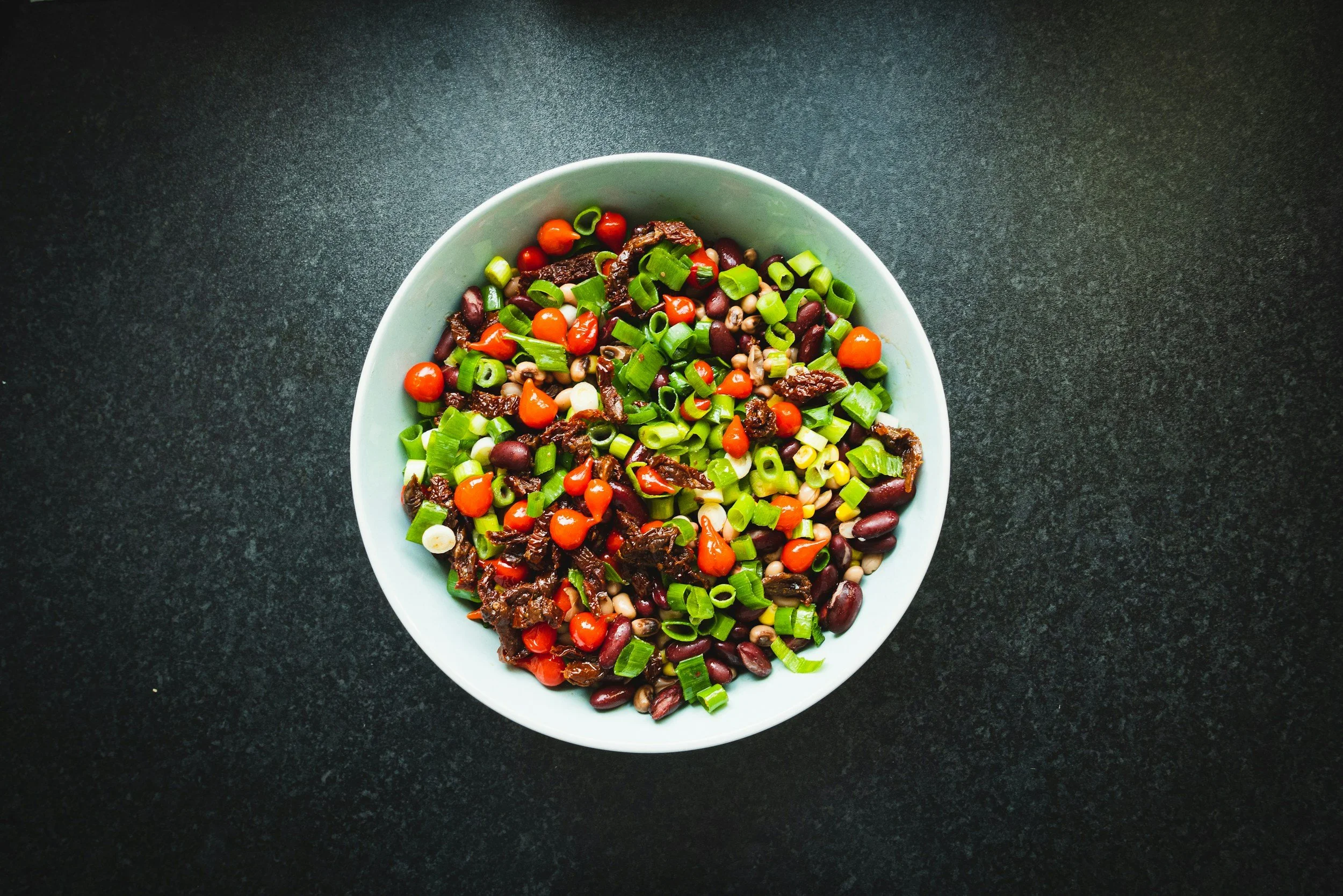
It’s The Salad Sprinkle That Makes The Different
Bright, crunchy, and colorful, our Rainbow Salad with botanicals sprinkled on top makes it easy to reach 30 plants a week. Layer deep greens, shredded red cabbage, orange bell pepper, purple carrots, yellow cherry tomatoes, and vibrant beets for a full-color base. Top with a mix of edible flowers, microgreens, fresh herbs (basil, dill, cilantro), sprouts, toasted seeds, and a few pickled vegetables to add flavor and variety. Each ingredient contributes unique nutrients and phytonutrients, so a single bowl can count toward multiple plant servings. Toss with a simple citrus-herb vinaigrette to keep flavors bright and let the botanicals shine. Perfect as a daily staple or meal-prep favorite, this salad turns plant-forward eating into an effortless, joyful ritual.
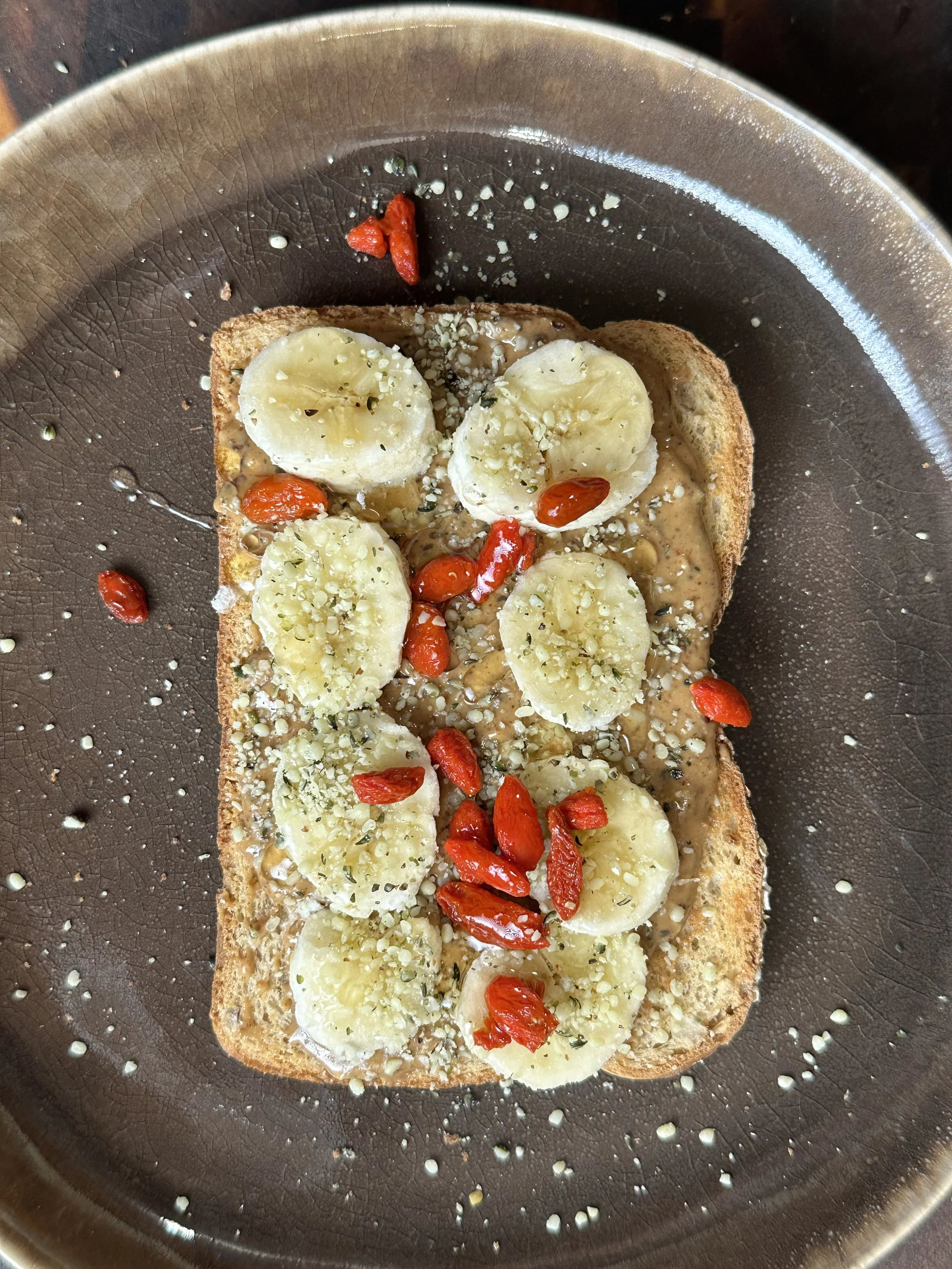
Peanut Butter isn’t the Only Nut Butter
Yummy whole grain toast with goji berries, multi seed butter, bananas, hemp hearts, and agave.

All About Eating Live Greens
Eating raw greens offers numerous health benefits rooted in their rich nutrient profile. They are packed with vitamins such as A, C, and K, along with essential minerals like calcium, iron, and magnesium—all crucial for maintaining strong bones, healthy skin, and a robust immune system. Raw greens are also high in antioxidants and fiber, which support digestion, reduce inflammation, and promote overall cellular health. Consuming them uncooked preserves these nutrients, as heat can often diminish their potency. Incorporating raw greens into your diet aligns with holistic living by enhancing energy levels and fostering a natural connection to traditional African Diaspora foodways centered on vibrant, plant-based nutrition.

Soy Sauce, Tamari Sauce, Coconut Aminos, Liquid Aminos??? Which one Should I Choose?
Soy sauce, tamari, and coconut aminos are popular umami-rich condiments used in vegan soul food and beyond, each with distinct characteristics. Soy sauce, traditionally made from fermented soybeans and wheat, has a salty, robust flavor and is widely used in cooking. Tamari is a type of soy sauce that is typically gluten-free, made with little or no wheat, offering a smoother, less salty taste with deeper umami notes. Coconut aminos, derived from the sap of coconut palms, provide a soy-free, gluten-free alternative with a milder, slightly sweet flavor and lower sodium content. Choosing between them depends on dietary needs—such as gluten intolerance or soy allergies—and flavor preferences for your dishes.

The Benefits of Dehydrating Foods
Dehydrated food plays a crucial role in raw fasting by providing nutrient-dense options that maintain the integrity of raw food principles. Through the dehydration process, moisture is removed from fruits, vegetables, nuts, and seeds at low temperatures, which preserves enzymes, vitamins, and minerals. This makes dehydrated foods ideal for raw fasting because they offer concentrated flavors and textures without cooking or heating that would otherwise alter their nutritional composition.
Using dehydrated foods during a raw fast helps to satisfy hunger with minimal digestive strain, supporting detoxification and metabolic reset. Common dehydrated snacks include kale chips, fruit leathers, raw granola, and nut crackers. These foods contribute to sustained energy levels and keep the palate engaged while sticking to the raw, plant-based regimen

The Healing Power of Raw and Juice Fasting
Raw and juice resets have the power to detox your GI tract and to reset your tastebuds. Not to mention the benefits of the fiber and live enzymes, which have medicinal properties.

The Benefits of Juicing: A Simple Path to Vibrant Health
Green juicing concentrates vitamins, minerals, and phytonutrients from leafy greens into a quick drink—ideal for busy people or those low on vegetables.
Benefits
Nutrient-dense: spinach, kale, collards supply vitamins A, C, K, folate, iron, magnesium, potassium.
Hydration & digestion: high water content; gentle and aids absorption.
Antioxidant & anti-inflammatory: greens and add-ins like ginger or parsley reduce inflammation and protect cells.
Clean energy & focus: vitamins and natural sugars boost alert

Forget Slicing, Smash Your Cucumbers
Smashing your cucumbers instead of slicing them creates a uniquely textured salad with more surface area to absorb dressings and seasonings, enhancing the overall flavor. This method also helps the cucumber pieces stay crisp much longer than traditional slices, preventing sogginess and keeping your salad fresh and satisfying bite after bite.

18 Colorful Summer Salads to Boost Your Health
Summer is a perfect time to fill your plate with colorful fruits and veggies. But don’t forget crunchy, crispy, and creamy additions to make your plate exciting and fulfilling.

Salad Bar in the Fridge: you’ve Gotta TRY THIS!
You can use the flex zone of your refrigerator to get you nutrients, fiber, and a healthy meal fast by making into a salad bar.

Adventures of a Flexitarian: A Very Vegan Valentine’s Day
As this Flexitarian searches for vegan treats for Valentine’s day, she’s reminded the she has the best treat of all.