

Peanut Butter isn’t the Only Nut Butter
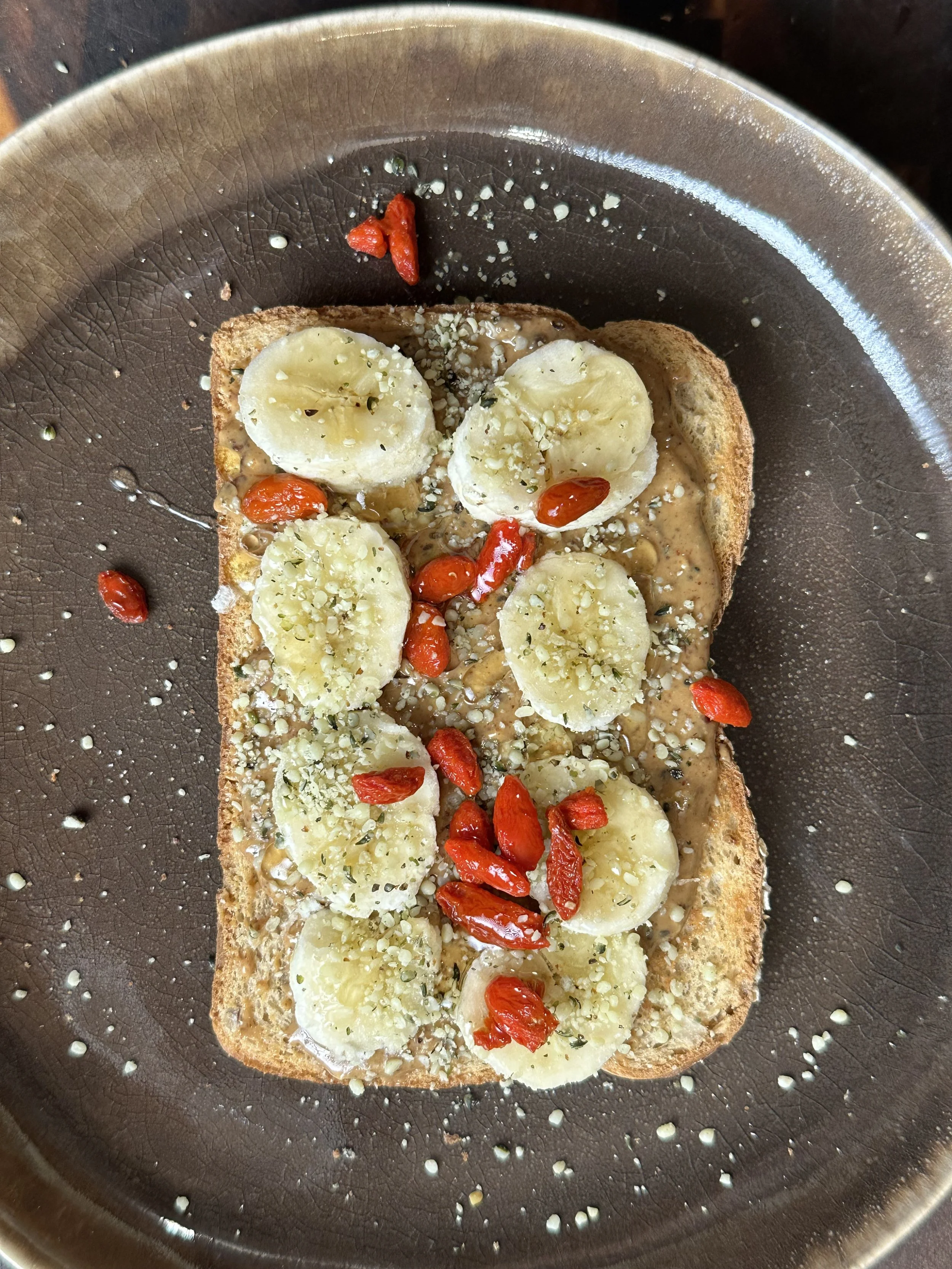
Multi-seed Butter with Banana, goji berries, and Agave on whole grain toast.

4 ebook vegan soul foodie guides
1 yoga & Meditation ebook
Easy Steps to meditation
4 yoga videos
1 Inner healing journal
1 Inner healing Journal discussion Class
10 self care and nutrition cheat sheets
1 Lasting love ebook
Principles of Prosperity
This bundle is designed to help you heal yourself, mind, body and Spirit. Feed and nourish your body, your mind, your relationships, your finances, your spirit, and inner being.
All bundle items are written by Rev. Dr. Brooke Brimm, Minister of Mind, Body & Spirit.
Dr. Brimm founded Brooke Brimm Ministries, Inc.,501c3, a non-profit with the mission to lead women to hearing their inner wisdom and inner healing. She is also the founder of two facebook groups where she offers support and guidance. Vegan Soul Foodie by Brooke Brimm, which includes over 485,000 members who enjoy plant-based food. The Metaphysical Black Women which is comprised of 2,200 Black women who are of all religions, and also hold beliefs that God is connected to the mind, body, and Spirit of our beings.
Dr. Brimm teaches yoga & plant-dominant cooking in person and online. She is sought after to facilitate her women-centered and holistic programs at conferences, retreats, and special gatherings throughout the world. She has hosted over 14 retreats since 2017.
IF YOU DON’T SEE AN EMAIL IMMEDIATELY, CHECK YOUR SPAM FOLDERS!
Check Out HOW I MADE IT!
Choosing Other Nut Butters Besides Peanut and Seed Butters: Better for Your Gut and Overall Health
Peanut butter and seed butters are pantry staples, but expanding the nut-butter repertoire can offer fresh flavors, textures, and health benefits—especially for gut health and overall well-being. Nuts differ in fiber, healthy fats, micronutrients, and bioactive compounds, all of which influence digestion, inflammation, and metabolic health. Here’s a practical guide to nut butters beyond peanuts and seeds, why they matter for your gut, and how to use them in everyday meals.

Why diversify nut butters?
Different nutrient profiles: Almonds, cashews, hazelnuts, walnuts, Brazil nuts, and macadamias each bring unique vitamins, minerals, and fatty acid balances. Variety helps cover more nutritional bases.
Prebiotic fiber and resistant starch: Some nuts contain fibers and compounds that feed beneficial gut bacteria, promoting a healthier microbiome.
Anti-inflammatory plant compounds: Polyphenols and phytosterols in various nuts can reduce gut inflammation and support intestinal barrier function.
Less allergen overlap: For people with peanut sensitivity, other nut butters may be tolerated (but always check cross-reactivity and consult a provider if you have allergies).
Culinary versatility: Different nut butters add new flavor profiles to both savory and sweet dishes, making healthy eating more enjoyable and sustainable.
Nut butters to try and their gut-friendly benefits
Almond butter
Gut benefits: Higher in prebiotic fiber than peanuts; promotes growth of beneficial bacteria such as Bifidobacteria.
Key nutrients: Vitamin E, magnesium, calcium, and monounsaturated fats.
Taste and use: Mild, slightly sweet. Great on toast, stirred into oatmeal or smoothies, and used as a base for sauces and dressings.
Cashew butter
Gut benefits: Easier to digest for some people due to softer texture and lower fiber; supports satiety and gentle digestion.
Key nutrients: Iron, zinc, magnesium, and healthy monounsaturated fats.
Taste and use: Creamy and mildly sweet—excellent in creamy sauces, dairy-free cheesecakes, curries, and smoothies.
Walnut butter
Gut benefits: Rich in alpha-linolenic acid (ALA), an anti-inflammatory omega-3 that supports gut barrier integrity and reduces inflammation-related dysbiosis.
Key nutrients: Omega-3s, manganese, and polyphenols.
Taste and use: Earthy and slightly bitter. Use in pesto-like sauces, blended into oatmeal, or paired with fruit and dark chocolate.
Hazelnut butter
Gut benefits: Contains fiber and polyphenols that support gut microbes and antioxidant defenses.
Key nutrients: Vitamin E, healthy fats, and folate.
Taste and use: Rich and sweet—pair with cocoa for desserts, swirl into yogurt alternatives, or spread on whole-grain crackers.
Brazil nut butter
Gut benefits: Selenium powerhouse; selenium supports immune function, antioxidant enzymes, and may indirectly benefit gut health by reducing oxidative stress.
Key nutrients: Selenium, magnesium, healthy fats, and some protein.
Taste and use: Bold, nutty flavor—use sparingly (one serving can meet daily selenium needs). Stir into smoothies, energy balls, or use as a finishing drizzle on porridge.
Macadamia nut butter
Gut benefits: High monounsaturated fat content supports heart health and may reduce inflammatory markers that affect the gut.
Key nutrients: Healthy fats, manganese, and low carbohydrate content.
Taste and use: Ultra-creamy and buttery—ideal for decadent smoothies, dessert sauces, or savory spreads with herbs.
Mixed-nut butters

Gut benefits: Combining nuts yields a broader array of fatty acids, fibers, and phytochemicals—feeding diverse gut microbes.
Key nutrients: Varies by mix—often a balanced profile of micronutrients and fats.
Taste and use: Use as an all-purpose spread or in baking where you want complexity of flavor.
Making gut-friendly choices when buying nut butters
Check the ingredient list: Ideally only nuts and a pinch of salt. Avoid added sugars, hydrogenated oils, and excessive preservatives.
Prefer minimally processed: Stone-ground or cold-pressed butters retain more nutrients and natural texture.
Consider unsweetened varieties: Added sugars can feed undesirable microbes and contribute to dysbiosis.
Watch sodium and oil content: Some commercial products add oils or salt—choose lower-sodium and no-added-oil options when possible.
Look for single-origin or small-batch brands if you want intact flavor and less processing.

How to use nut butters to support gut health
Choose minimally processed nut butters
Look for single-ingredient products (nuts only) or those with minimal additions like a pinch of salt. Oils, excess sugar, hydrogenated fats, and emulsifiers can reduce nutritional value and may irritate sensitive guts for some people.
Raw or dry-roasted nut butters retain more intact nutrients and less added oil. Stirred jars are normal; avoid overly oily, separated products if you prefer consistency (but oil separation is not harmful).
Favor fiber- and polyphenol-rich varieties
Almond and peanut butters contain fiber and polyphenols that feed beneficial bacteria. Walnut butter provides more omega-3s, which support anti-inflammatory pathways in the gut.
Blends that include seeds (flax, chia, hemp) add soluble fiber and mucilage that support stool softness and microbial fermentation.
Use appropriate portion sizes
Nut butters are calorie-dense; 1–2 tablespoons per serving is generally enough to deliver gut-supportive nutrients without excess calories. Start with 1 tablespoon, especially if you’re reintroducing fats to the diet or managing IBS symptoms.
Pair nut butters with prebiotic and probiotic foods
Combine nut butter with prebiotic-rich foods to boost microbial fermentation:
Spread on whole-grain toast, oats, or barley porridge (resistant starch and fiber).
Stir into plain yogurt (choose plant-based probiotic yogurt) or kefir alternatives for a probiotic + prebiotic combo.
Use with fruits high in fiber and polyphenols—bananas (especially slightly underripe), apples, pears, and berries.
This combination supports diverse bacterial growth and short-chain fatty acid (SCFA) production, particularly butyrate, which nourishes colon cells.
Incorporate into meals to moderate digestion
Fats in nut butters slow gastric emptying and can blunt glucose spikes, supporting steady energy and possibly reducing post-meal bloating for some people.
Add a spoonful to smoothies with leafy greens, cooked oats, or beans to make meals more satisfying and gut-friendly.
Use as a vehicle for gut-soothing spices and ingredients
Mix nut butter with ginger, turmeric, or cinnamon—spices with anti-inflammatory and digestive benefits.
Blend with mashed banana, cooked sweet potato, or pureed pumpkin for a fiber-rich, gentle snack.
Tailor choices for common gut conditions
IBS: Start with small portions and monitor symptoms. Almond and peanut butters are often better tolerated than higher-FODMAP nut spreads like cashew butter. Avoid nut butters with added inulin or chicory root (prebiotic fibers that trigger symptoms in some people).
Constipation: Combine nut butter with prunes, ground flaxseed, or chia for added soluble fiber and lubrication to ease passage.
Inflammatory gut conditions: Favor walnut or flax-enriched butters for omega-3s; pair with probiotic foods and anti-inflammatory spices.
Make nut butter-based dressings and sauces
Thin nut butter with lemon juice, apple cider vinegar, water, and a pinch of salt to create creamy dressings that encourage vegetable intake and increase fiber consumption—both beneficial to the microbiome.
Practice safe consumption and storage
If you have a tree-nut allergy or severe peanut allergy, avoid cross-contamination. Check labels for allergen statements.
Store natural nut butters in a cool, dark place or refrigerate to extend freshness and reduce rancidity in oils.
Homemade nut butter basics
Roast or use raw nuts, blend in a high-speed food processor until smooth (5–15 minutes). Add a pinch of salt, optional cinnamon or vanilla. For creamier texture, add 1 teaspoon neutral oil per cup of nuts. Homemade allows full control over ingredients and avoids unwanted additives.
Sample gut-supporting snack ideas
1 tbsp almond butter + sliced underripe banana on whole-grain toast.
1 tbsp peanut butter stirred into warm steel-cut oats with ground flaxseed and cinnamon.
Smoothie: 1 tbsp cashew butter, spinach, half a frozen banana, unsweetened plant yogurt (probiotic), and water.
Salad dressing: 2 tbsp almond butter, lemon juice, water to thin, grated ginger, and a dash of tamari.
Snack plate: sliced apple, 1 tbsp walnut butter, and a small handful of soaked raisins.
