

Eating the Rainbow: Why Colorful Plates Matter for Your Health
Eating a variety of colorful fruits and vegetables—often called “eating the rainbow”—is a simple, practical approach to building a nutrient-dense diet. For people following vegan soul food traditions and anyone looking to improve health, vibrant plates are both culturally meaningful and biologically beneficial. Below is a clear guide to why color matters, what each color offers, and easy ways to add more variety to your meals.
Why color matters
Phytonutrient diversity: Different plant pigments contain distinct phytonutrients (bioactive compounds) that support health. Carotenoids, anthocyanins, betalains, and flavonoids are examples; each has unique antioxidant, anti-inflammatory, and cellular-supporting properties.
Broader nutrient coverage: Color variety tends to correlate with a broader range of vitamins, minerals, and fiber—key for immune function, digestion, bone health, and energy metabolism.
Reduced disease risk: Diets rich in a diversity of fruits and vegetables are linked to lower risk of chronic diseases such as heart disease, type 2 diabetes, certain cancers, and cognitive decline.
Microbiome support: Different plant fibers and polyphenols feed different gut bacteria. A colorful diet promotes microbial diversity, which supports digestion, immune regulation, and even mood.
Practical and sustainable: Choosing seasonal, colorful produce often aligns with lower environmental impact and supports local growers and culturally rooted foodways.
Try a Yummy Salad, so that you can eat the rainbow at one sitting.
What each color offers
Red (tomatoes, watermelon, red peppers, strawberries): Rich in lycopene and anthocyanins. Supports heart health, may reduce certain cancer risks, and provides vitamin C.
Orange/Yellow (sweet potatoes, carrots, mango, yellow squash): High in beta-carotene (provitamin A), lutein, and vitamin C. Important for eye health, skin, immune function, and antioxidant protection.
Green (collard greens, kale, spinach, okra, green peas): Loaded with chlorophyll, folate, vitamin K, magnesium, and glucosinolates (in cruciferous veg). Essential for blood health, bone health, detoxification pathways, and steady energy.
Blue/Purple (blackberries, blueberries, purple cabbage, eggplant): Contain anthocyanins and resveratrol-like compounds. Support brain health, reduce inflammation, and protect blood vessels.
White/Brown (onions, garlic, mushrooms, plantains): Often contain allicin, potassium, prebiotic fibers, and antioxidants. Support immune function, gut health, and cardiovascular health.
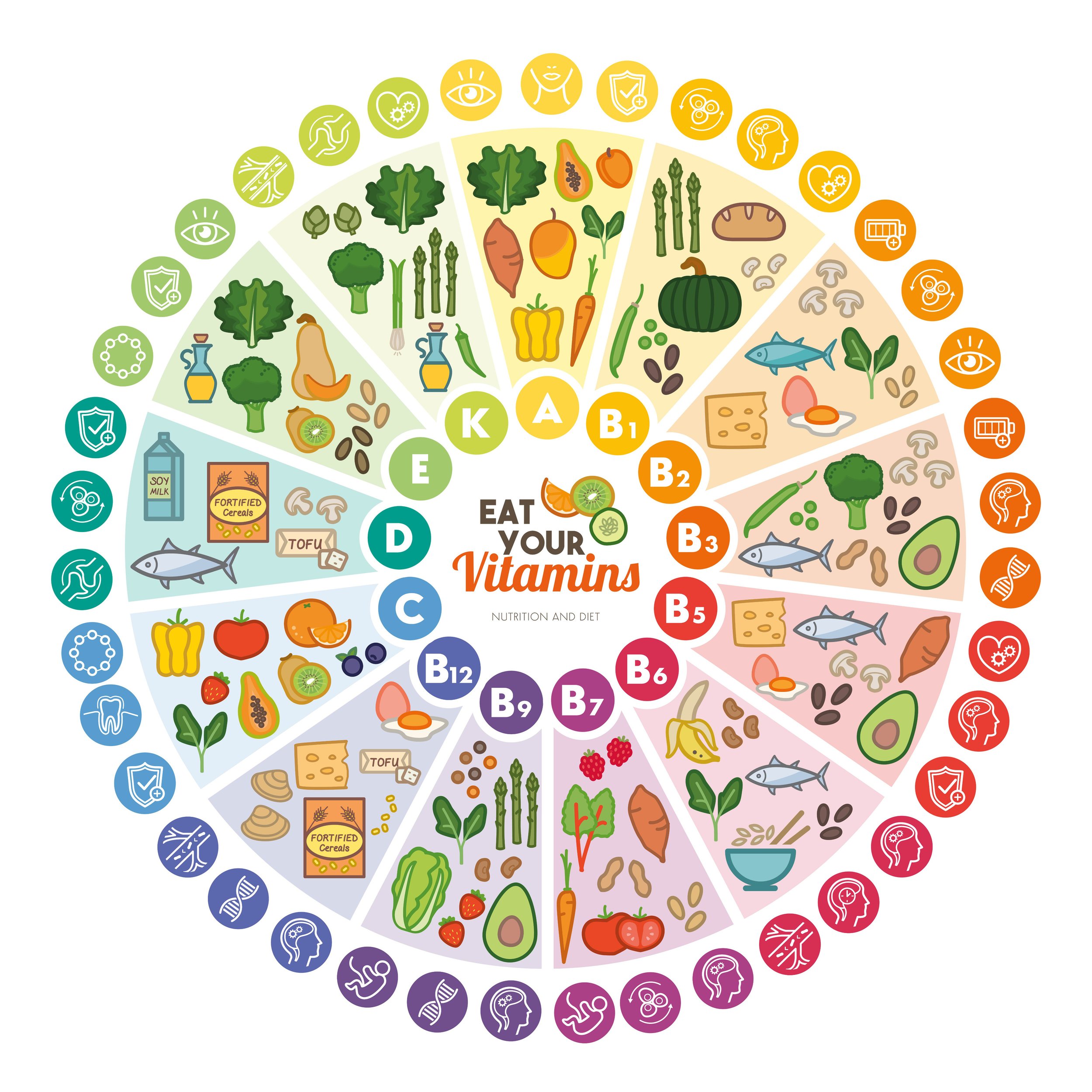
Practical tips to eat the rainbow daily
Start small: Aim to include at least three different colors at each major meal. For example, breakfast oatmeal with blueberries (blue), banana (yellow), and a sprinkle of hemp seeds; lunch with a collard green wrap (green), roasted red peppers (red), and sweet potato fries (orange).
Use color as a shopping list: When shopping, pick one item from each color group. This keeps variety high without complicated planning.
Cook culturally familiar dishes with added color: Add shredded purple cabbage to slaws, top stews with chopped cilantro and tomatoes, or include steamed greens as a side to hearty vegan soul food mains.
Preserve color and nutrients: Lightly steam, roast, or sauté vegetables instead of over-boiling to retain phytonutrients and texture. Use citrus, vinegar, herbs, and spices to enhance flavor without excess salt or fat.
Blend and layer: Smoothies and bowls are efficient ways to combine multiple colors and textures. Freeze fruit for smoothies and add leafy greens, flax, or nut butter for balance.
Use herbs and spices: Fresh herbs, chili peppers, turmeric, and smoked paprika add color, flavor, and antioxidant compounds.
Make snacks colorful: Keep cut veg, fruit slices, and dips like hummus or spiced bean puree on hand for quick, rainbow-rich snacks.
Sample day of rainbow-inspired meals
Breakfast: Oatmeal with mashed cooked sweet potato (orange), blueberries (blue), chopped pecans, and cinnamon.
Lunch: Collard green wrap with seasoned black-eyed peas (white), roasted beets (red), shredded carrot (orange), and avocado (green).
Snack: Sliced mango (yellow) and a small handful of roasted plantain chips (brown).
Dinner: Jollof-style brown rice with stewed tomatoes and peppers (red), sautéed kale (green), and a purple cabbage slaw (purple) dressed with lime.
Dessert: Baked pear with crushed walnuts and a drizzle of maple.
Special considerations for nutrient adequacy
Vitamin B12: Not found in plant pigments—vegans should include fortified foods or supplements.
Iron and zinc: Found in greens, beans, and seeds but absorbed
