

King Oyster Mushrooms vs. Oyster Mushrooms — How to Use Them in Vegan Soul Food
King oyster mushrooms sometimes known as a Trumpet Mushroom (Pleurotus eryngii) and oyster mushrooms (Pleurotus ostreatus and related species) both bring umami richness and meaty texture to vegan soul food, but they differ in shape, texture, and how they’re best used in recipes. Brooke Brimm, known for contemporary vegan soul food that honors African Diaspora traditions, exploits those differences to create satisfying, nostalgic, and inventive dishes.
Appearance and Texture
King oyster mushrooms: Thick, ivory stems with small caps. The stems are dense, meaty, and can be sliced or torn into long strips that hold up well to grilling, searing, and braising. When cooked, they become pleasantly chewy with a firm bite—often compared to scallops or pulled meat.
Oyster mushrooms: Fan-shaped caps with delicate, frilly edges and thinner stems. They’re more tender and develop lacy, crispy edges when sautéed or fried. Their texture is softer and flakier than kings, making them excellent for shredding or for dishes that benefit from quick cooking.
Flavor Profile
King oyster: Mildly savory with deep umami when seared or roasted. They absorb marinades and sauces well because of their dense flesh.
Oyster mushrooms: Slightly more delicate and earthy, with a quick, satisfying browning when cooked at high heat. They release moisture faster and develop a pronounced mushroom flavor when crisped.
How to use Oyster Mushrooms
“Crispy Oyster Mushroom ‘Chicken’”: Brooke tosses whole oyster mushroom clusters in seasoned batter or cornmeal and shallow-fries or air-fries them until the frilly edges are crunchy. The result has the light, flaky bite of fried chicken in a plant-based form, ideal for sandwiches, plate lunches, or as a crunchy side.
“Smothered Oyster Mushrooms”: Drawing on the classic Southern smothered meat technique, Brooke sautés oyster mushrooms until they’re browned and then simmers them in a rich, onion-gravy made with vegan butter, flour, and vegetable stock. The mushrooms’ tenderness lets them soak up the gravy, producing the comforting texture of smothered dishes.
Why Brooke Chooses One Over the Other
For structure and chew (stews, “steaks,” braises), Brooke reaches for king oyster mushrooms because their dense stems withstand long cooking and retain a satisfying bite.
For quick-cook, crispy textures and shredded or flaky applications (fried “chicken,” sandwiches, delicate sautés), she prefers oyster mushrooms because their caps create crisp edges and tender interior.
Flavor absorption: Kings are ideal when the mushroom needs to act as a carrier for bold sauces or marinades. Oysters are preferred when a pronounced mushroom flavor and crisp texture are desirable.
Recipe Ideas Inspired by Brooke Brimm
Braised King Oyster “Ribs” with Molasses BBQ: Slice stems into thick strips, sear, then braise in a smoky molasses-tamari sauce until deeply flavored. Serve with collard greens and creamy mashed yams.
Crispy Oyster Mushroom Fried “Chicken” with Hot Honey: Batter and fry oyster mushroom clusters until golden-crisp, finish with a hot-honey drizzle. Serve with pickles and cornbread.
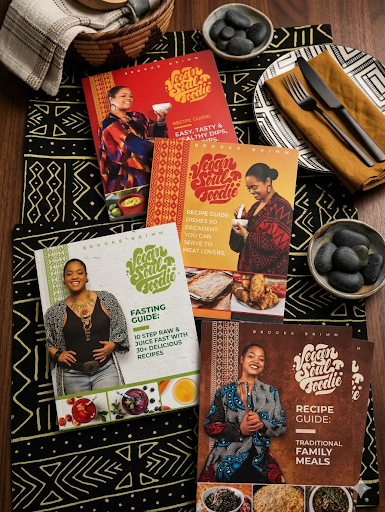
Get more recipes in our guides
How to Use King Oyster Mushrooms
“Smoky Seitan + King Oyster Ribs”: Brooke incorporates thick king oyster strips into vital wheat gluten to mimic the size and chew of short rib fibers. She braises them in a smoky, molasses-forward barbecue sauce and slow-cooks until the mushrooms soak up the sauce while keeping meat-like texture. The density of king oysters gives the same hearty mouthfeel expected from braised ribs in soul food.
“Pan-Seared Creole King Oyster ‘Scallops’ with Grits”: For a fancier plate rooted in Southern flavors, Brooke rounds king oyster stems into medallions and sears them to achieve caramelized crusts. Served over creamy grits, the mushrooms act like seafood scallops while keeping the dish soulful and plant-based.
“Fried King Oyster Fingers”: Brooke slices the stems lengthwise, scores and marinated them, and then deep fries them with a wet and dry batter coating.
